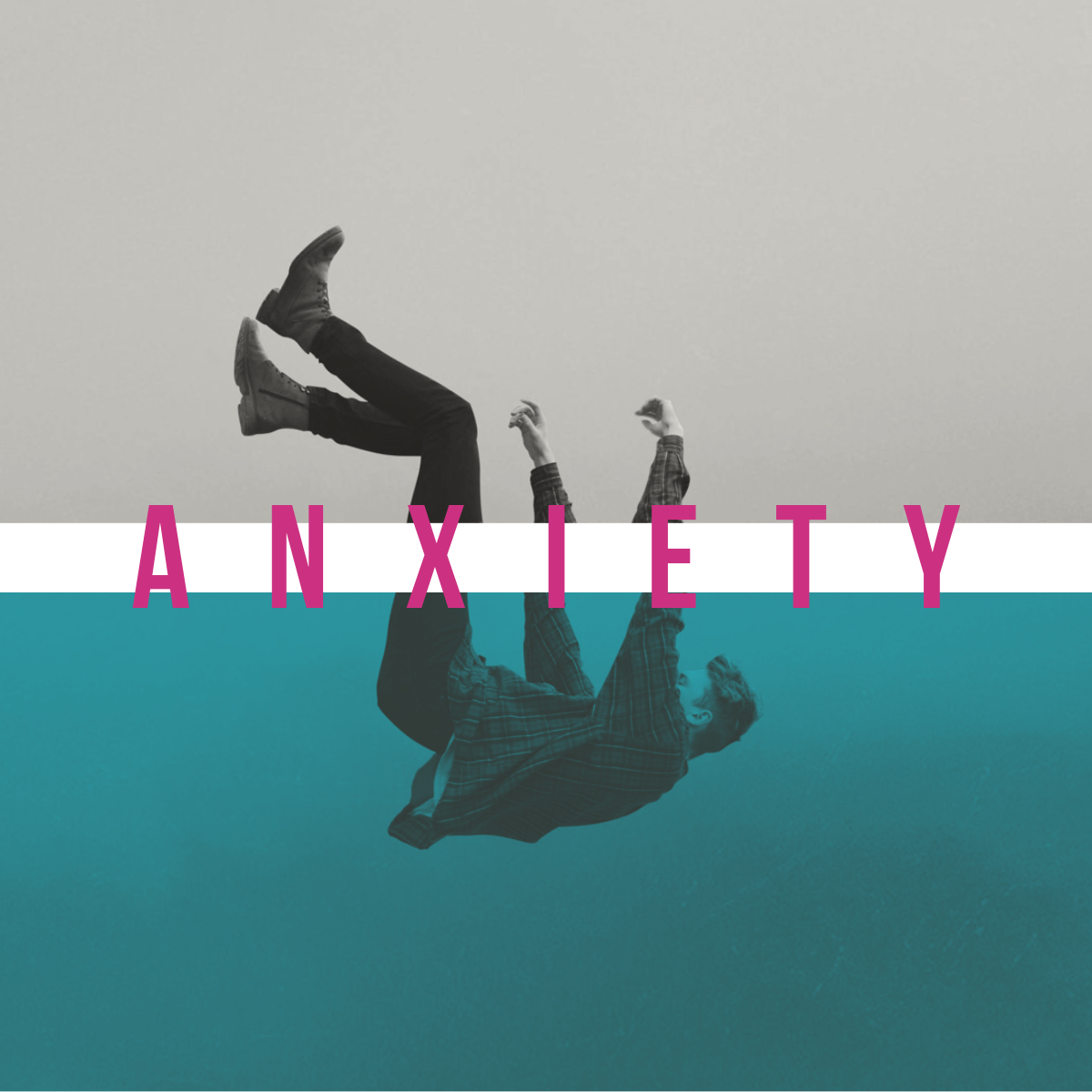
When your mind keeps preparing for something that may never happen.
Anxiety can affect the way you think, feel and respond — sometimes without an obvious reason.
You may find yourself worrying about what might happen, replaying situations in your mind, avoiding things you would normally do or experiencing physical feelings that seem difficult to control.
Understanding what's driving that response can be the beginning of responding differently.
When Anxiety Starts To Get In The Way
Anxiety doesn't always look or feel the same. For some people it's a persistent sense of worry or unease. For others, it appears in particular situations or is experienced mainly through physical sensations.
You might notice:
Overthinking & persistent worry
Finding it difficult to stop thinking about what could happen.
Anticipating the worst
Your mind repeatedly moves towards negative possibilities.
Difficulty switching off
Even when there's nothing you need to deal with immediately, your mind remains active.
Avoidance
Beginning to avoid situations because of how you think you might feel.
Physical reactions
Tension, a racing heart, sweating, butterflies, restlessness or other sensations associated with anxiety.
Difficulty concentrating or sleeping
An anxious mind can make it difficult to focus, relax or settle.
Sometimes you know exactly what you're anxious about. Sometimes you don't.
A DIFFERENT WAY OF LOOKING AT ANXIETY
Anxiety isn't always about what's happening. Sometimes it's about what your mind expects might happen.
Previous experiences, expectations and the way we interpret situations can influence how we respond to what's happening now.
Over time, some of those responses can become automatic. A thought triggers a feeling, the feeling influences how you respond, and that response can reinforce the anxiety.
The aim isn't simply to tell yourself not to worry. It's to understand what may be driving the response and begin developing different ways of thinking and responding.
Change the response. Change what follows.
HOW CAN I HELP?
Rather than beginning with a particular technique, we'll look at what's happening, what may be triggering or maintaining the anxiety and how you currently respond to it.
My approach is individually tailored and may draw on DAtechnique®, Clinical Hypnotherapy, NLP techniques, visualisation, meditation and other guided strategies depending on what is appropriate for you.
The aim is to help you understand your own responses and develop practical ways of thinking and responding differently.
You don't need to decide which technique you need. We'll work that out together.
WHAT DOES YOUR ANXIETY LOOK LIKE?
Anxiety can sometimes be connected to a particular situation. If yours tends to appear in a specific way, one of these areas may be more relevant.
When being around other people, interacting socially or feeling observed creates anxiety.
When pressure gets in the way of something you know you can do.
When nerves, overthinking or self-doubt interfere with your ability to communicate what you can do.
When anxiety affects concentration, recall or your ability to demonstrate what you know.
WHAT HAPPENS NEXT?
TELL ME WHAT'S HAPPENING
We'll talk about what you're experiencing, when it happens and how it's affecting you.
UNDERSTAND THE RESPONSE
We'll explore what may be triggering or maintaining the anxiety and the patterns associated with it.
START RESPONDING DIFFERENTLY
We'll develop an approach around you, using the techniques and strategies most appropriate to your situation.
READY TO FEEL DIFFERENTLY?
You don't need to know what's causing the anxiety or which technique you need.
Tell me what's happening. We'll start there.
Online worldwide · Face-to-face in London, Athens & Istanbul